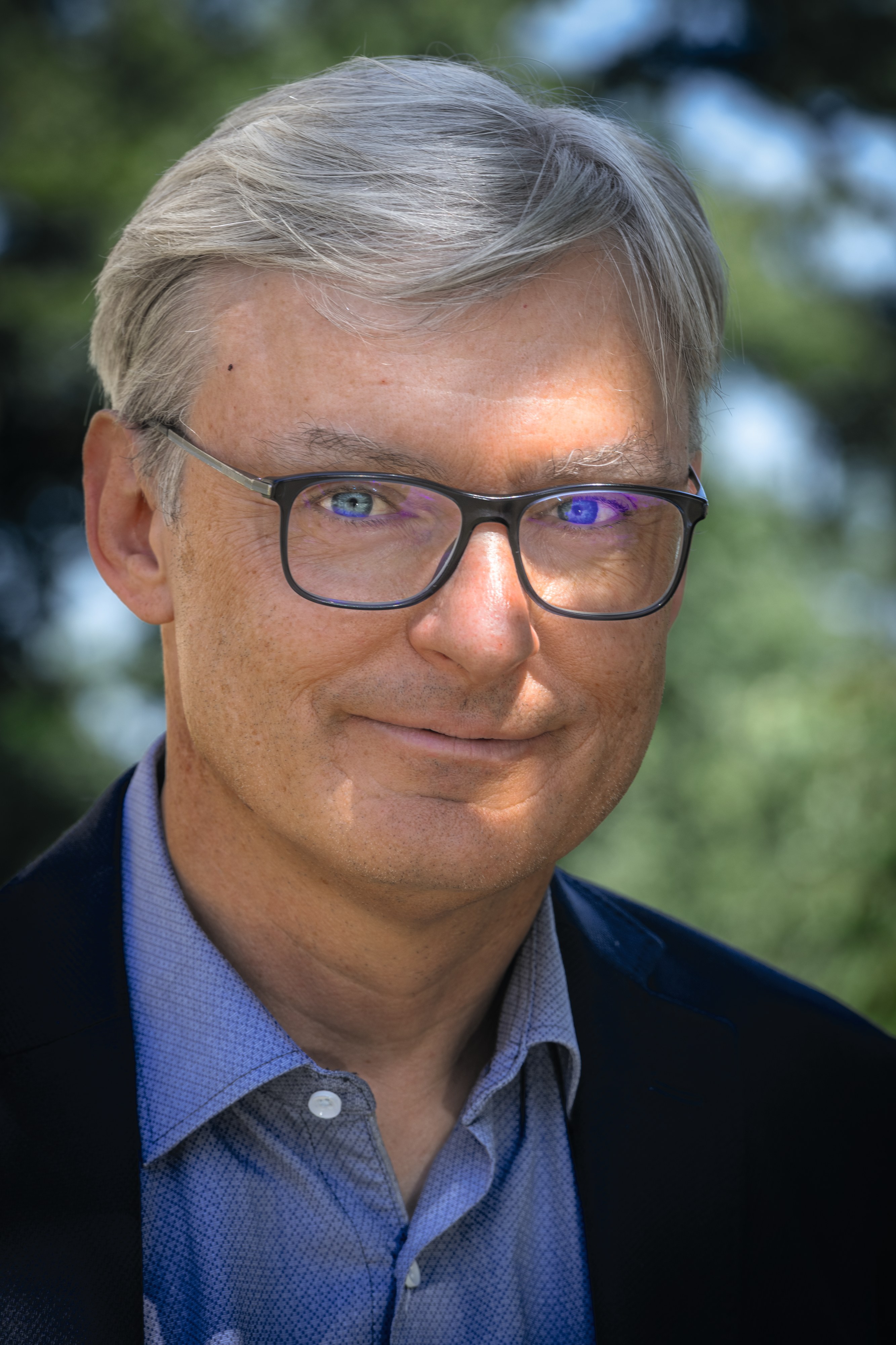
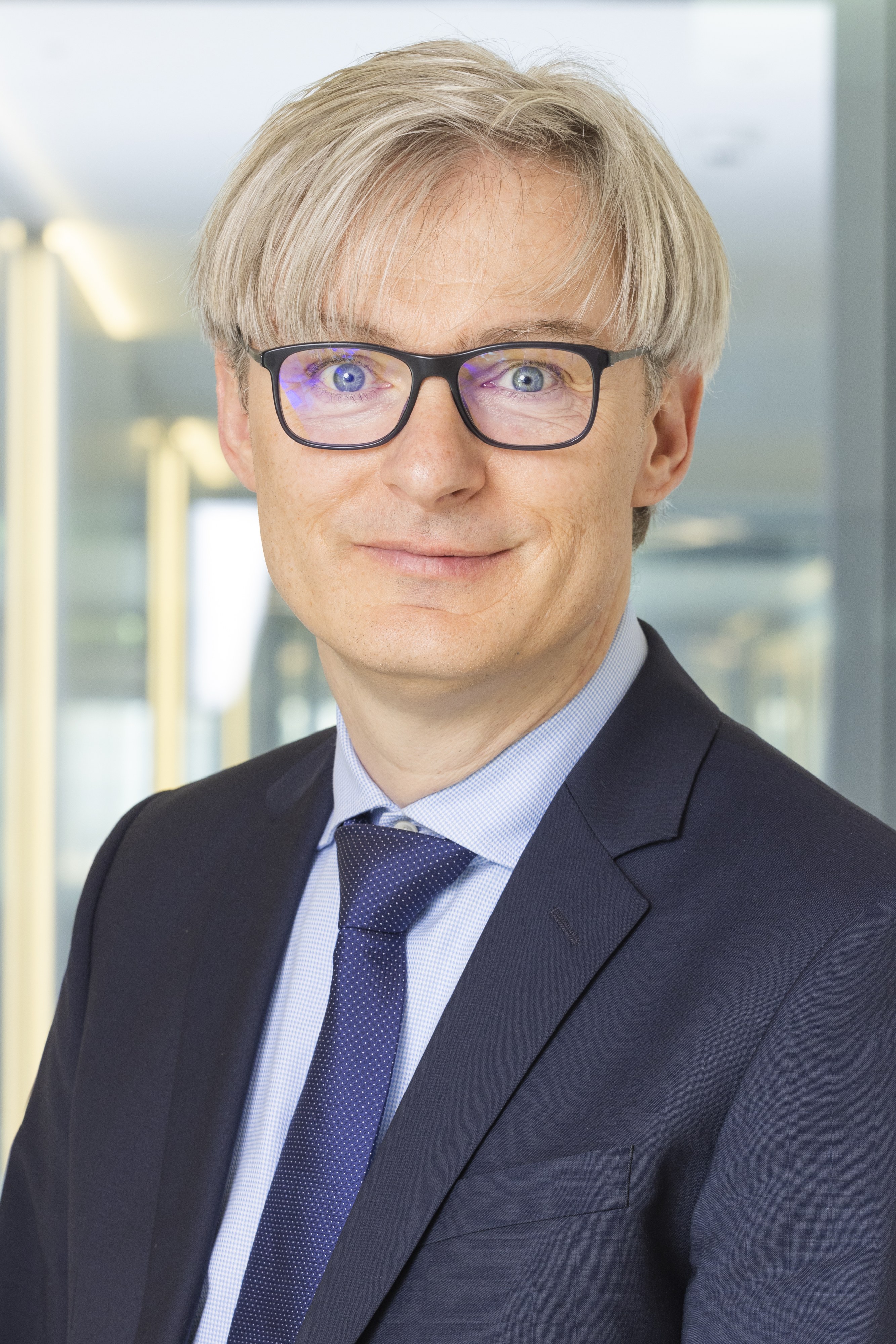
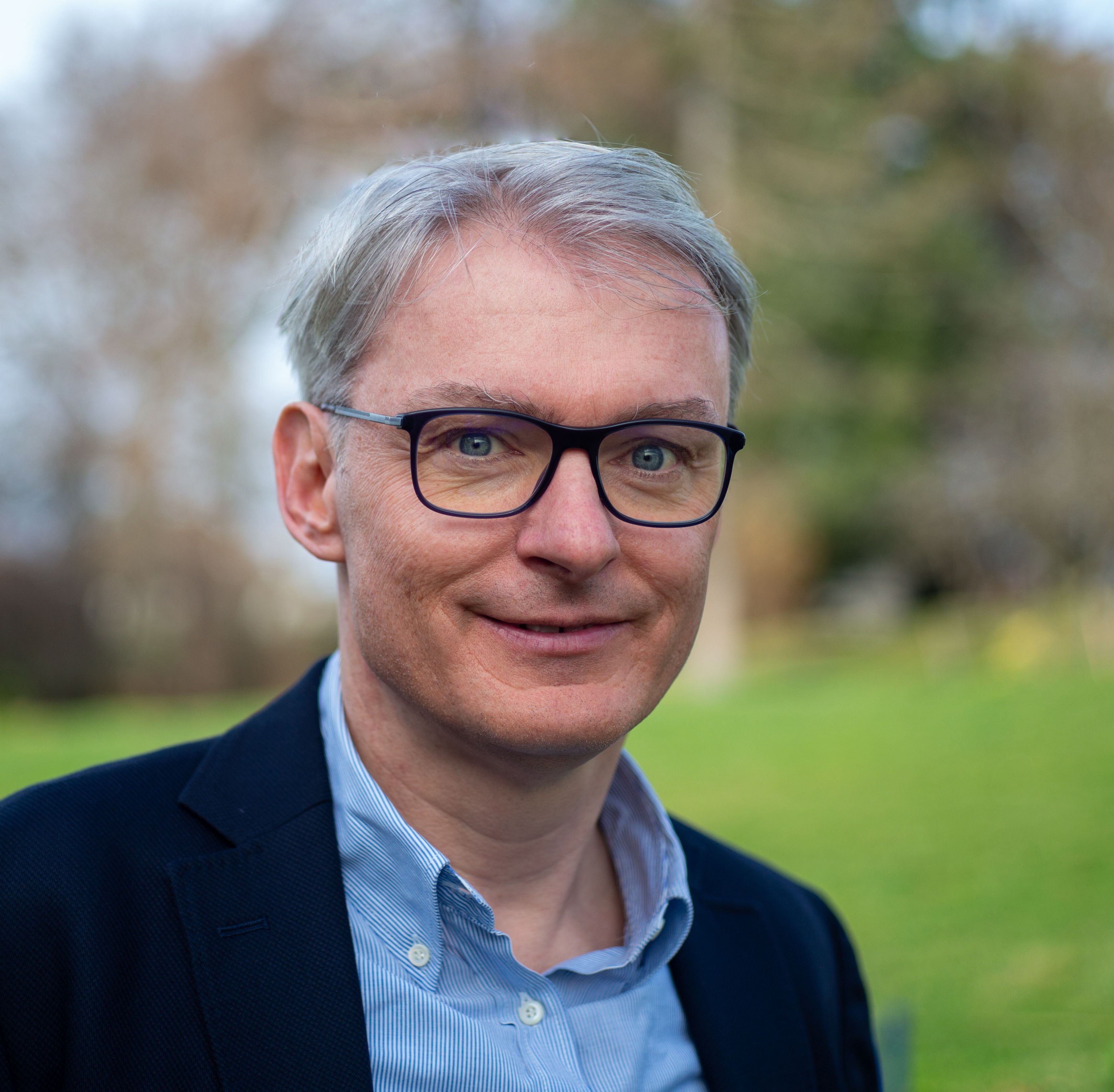
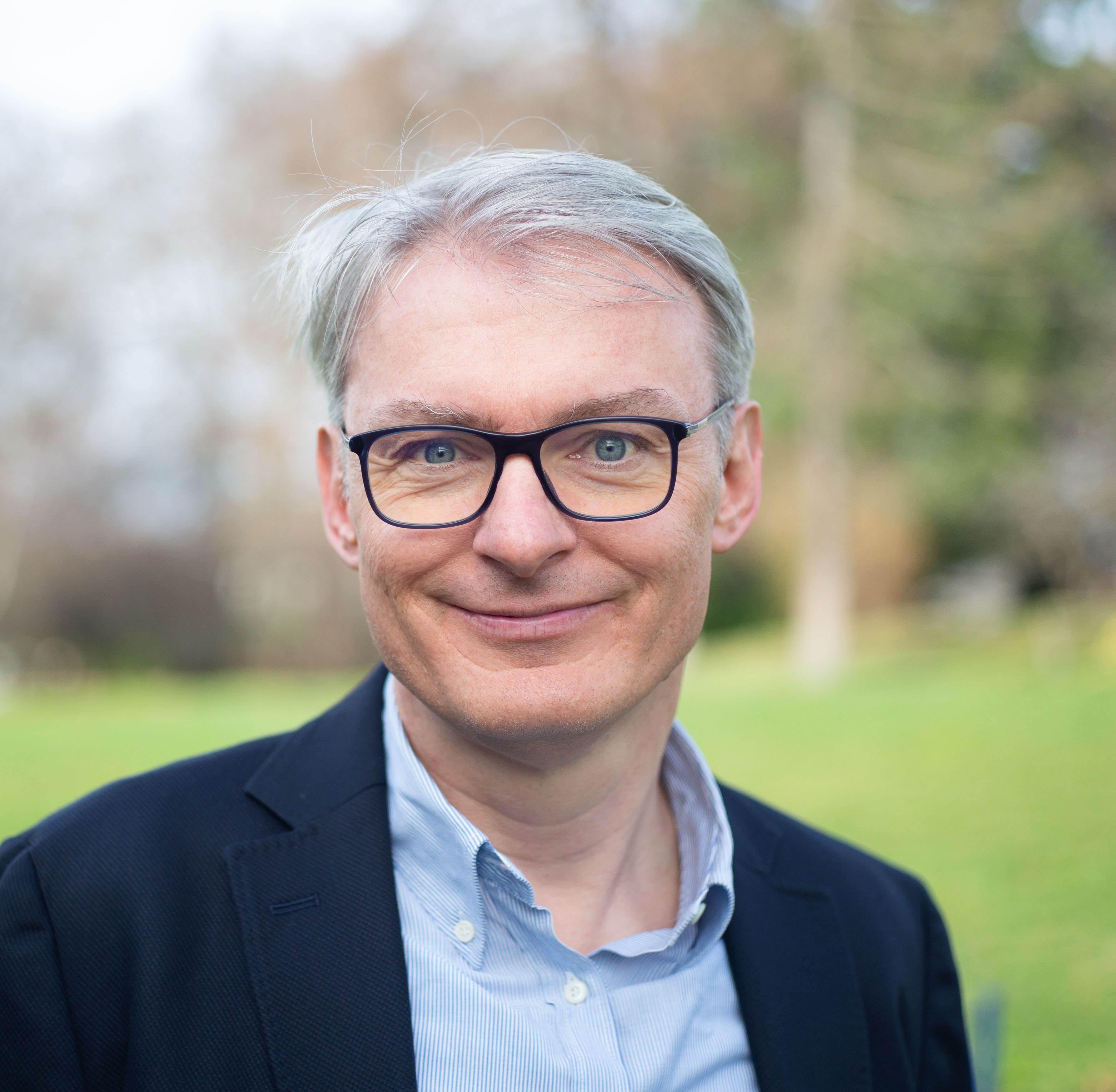
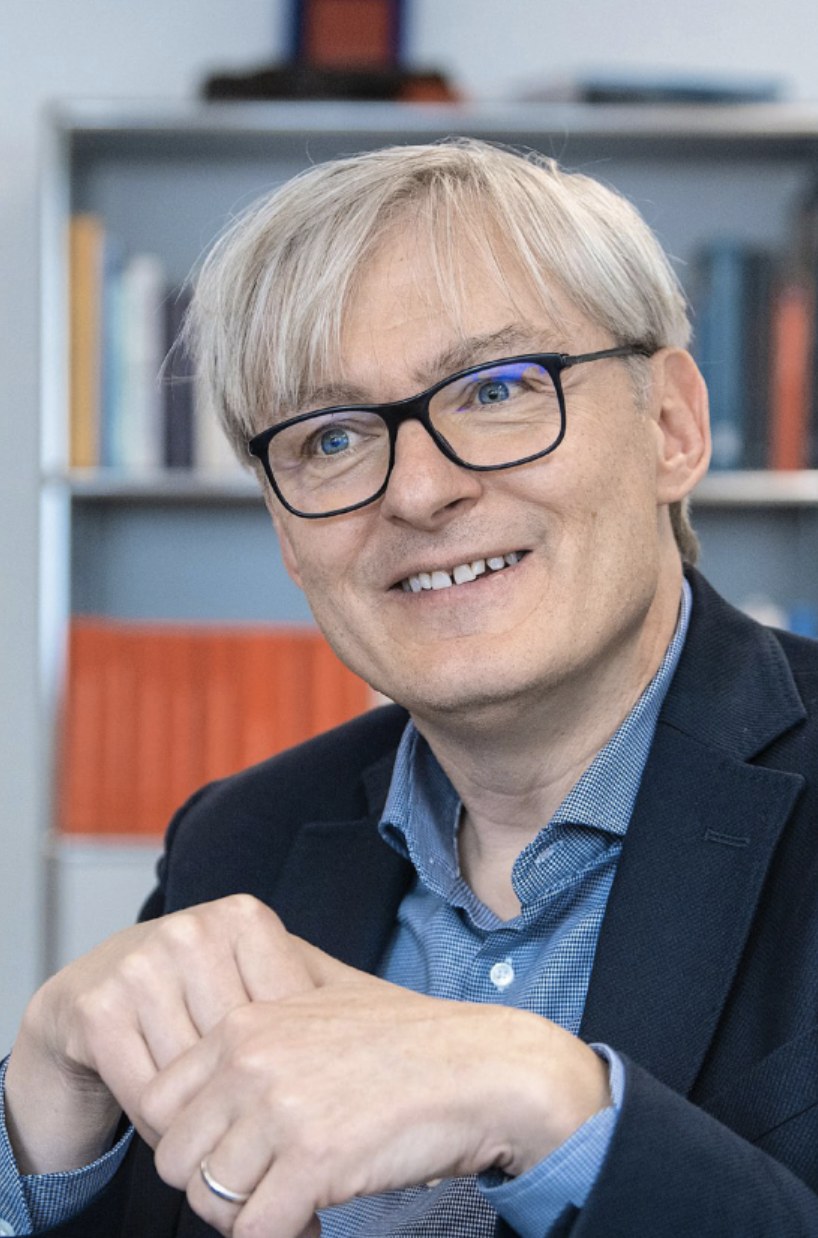
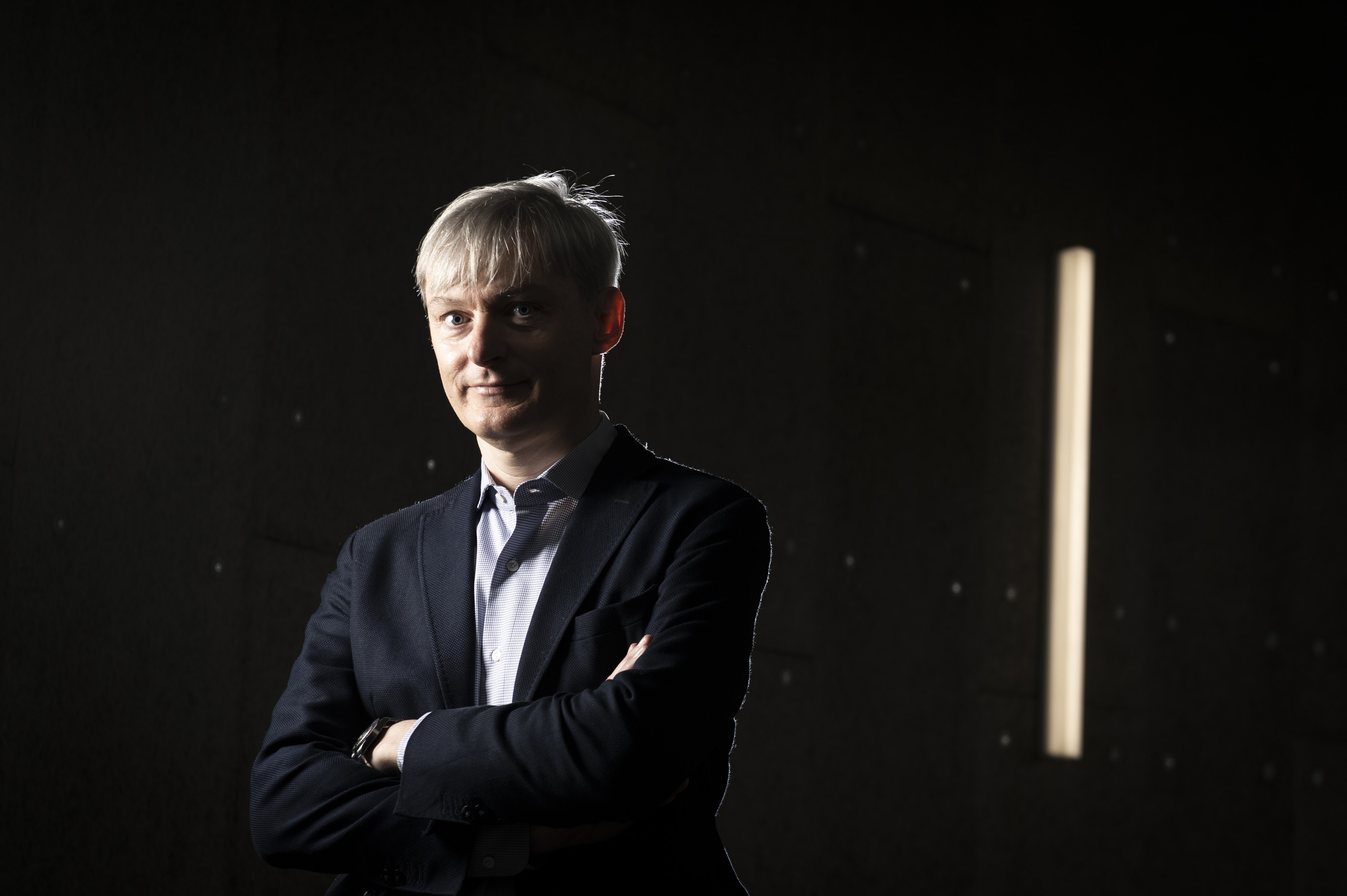
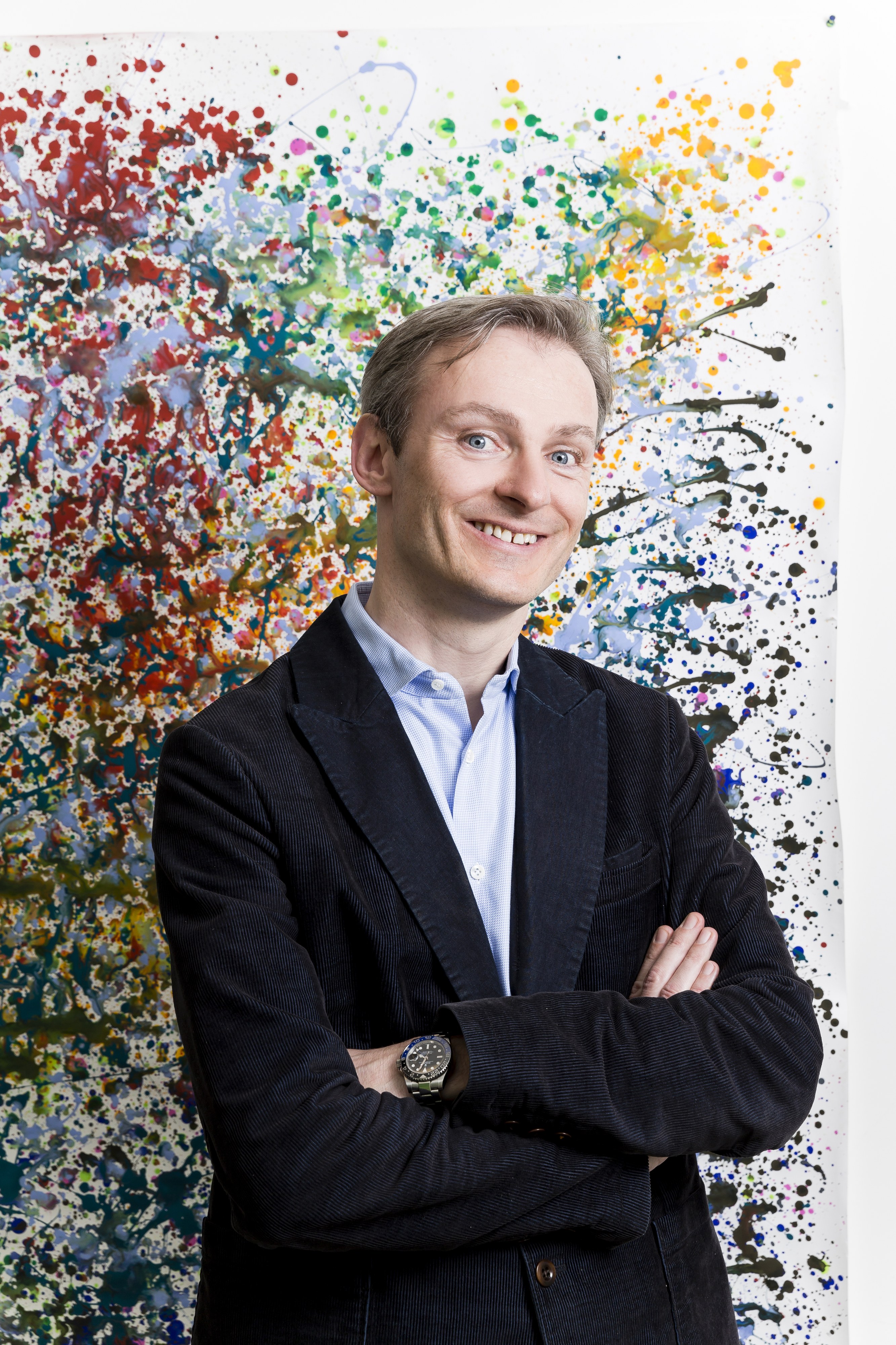
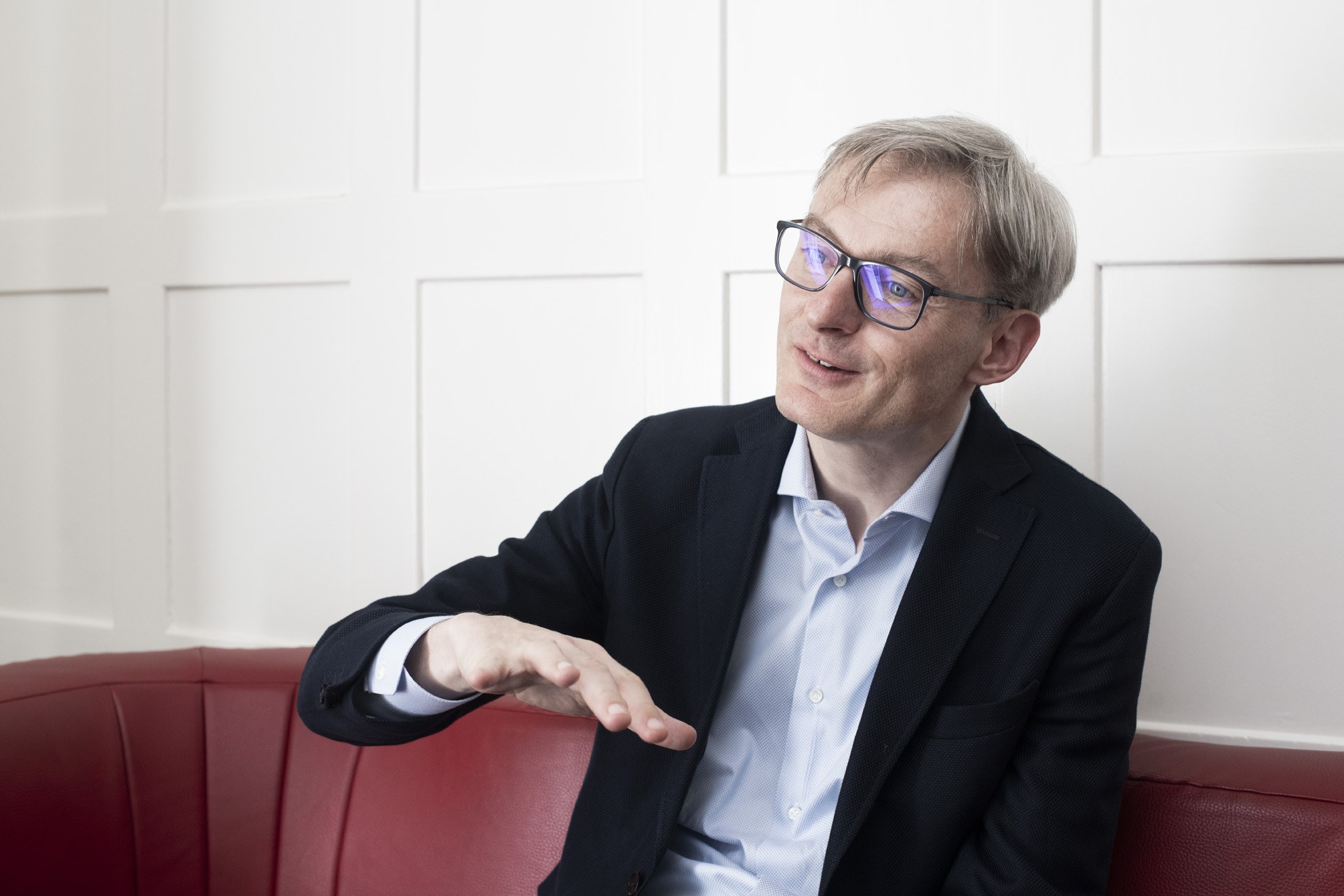
Professor and Chair of Psychiatry at the University of Fribourg (Switzerland), Chief Physician at the Fribourg Network for Mental Health, and author of widely translated books on resilience, the gut-brain axis, and psychedelics in psychotherapy.
«Higher Self: Psychedelics in Psychotherapy» (Sentient Publications) explores how psychedelics can catalyze psychotherapy, drawing on decades of research and stories of recovery. «What Nourishes Us» (Mercier Press, with an introduction by Dr Janette Walton) offers a science-based framework for a healthier, kinder relationship with food, beyond diets and rules.
Higher Self What Nourishes UsAs Chief Physician at the Fribourg Network for Mental Health, Gregor Hasler treats people across the full spectrum of psychiatric conditions, with a focus on depression, eating disorders, and bipolar disorders.
At the University of Fribourg (Switzerland) he studies the social, psychological, and biological causes of mental disorders, from the gut-brain axis to new therapeutic approaches with psychedelics.
His books have sold more than 100,000 copies and have been translated into English, French, and Dutch. Communicating medical and psychological knowledge to the public is central to his work.
For many years I have engaged with the subject of stress, in treating patients and in dealing with myself. Based on this experience and on scientific studies, I arrived at nine factors that are easy to understand and easy to apply to strengthen one's resilience. Each contains the word «right». By this I mean correctness, but also balance. The factors are not an instruction manual but suggestions for a creative, resilient, and sustainable way of living. All are equally important and deserve attention at all times.
Resilience is a local phenomenon. Digital relationships are no buffer against stress and do not replace social support. What counts are direct contacts with people who live, work, and dwell near us and give us a sense of security without being asked.
Tip Increase the time you spend with people who live nearby and with whom mutual exchange is possible.
The greater the social insecurity, the stronger the wolfish side of human nature. Competition can spur peak performance, but only if it is not overdone. Life is rarely a tennis tournament in which one player wins everything; it is the sharing of a cake we can enlarge together.
Tip When you feel stressed, ask yourself: Who is pulling on the same rope? Who are my cooperation partners? Who resonates positively with me?
People who experience positive feelings despite adversity get through difficult situations far better. Yet optimism helps only when it is realistic: whoever has important decisions to make benefits more from a firm grip on reality than from exuberant confidence.
Tip In the evening, recall three positive things you experienced during the day and immerse yourself in those moments once more.
The capacity for tension is central to resilience; only permanent tension makes us ill. Because the stress system has biological priority, a single smartphone alert is enough to crowd out recovery. Recovery time therefore has to be organized actively and deliberately.
Tip Picture your day as a yoga practice: a vigorous, wholehearted tension followed by relaxation.
The brain's reward system is the great antagonist of the stress system. Short-term, material rewards carry a risk of addiction. Long-term and intrinsic rewards such as friendships, professional milestones, and personal fulfillment strengthen resilience.
Tip For every burden, ask what the corresponding reward is. Choose challenges that are rewarding in the long run.
In the single moment there are no problems; stress arises from looking into the past and the future. Our minds are absent 40 to 50 percent of the time, and the more stressed we are, the more absent we become. Presence and flow, including micro-flow in everyday life, strengthen resilience.
Tip Ask yourself where in time you are right now. Use computers and smartphones in ways that do not disturb your flow.
Identity helps us understand ourselves and our experiences, and it can turn competition into cooperation. For resilience it matters to identify not as a victim but with positive things, visions, and long-term perspectives: whoever has a why to live for can bear almost any how.
Tip Ask yourself: What do I really want? Which group do I belong to? What is my dream?
The most effective self-fitness comes from experiences of self-efficacy: bringing about positive change through one's own activity and competence, even in difficult situations. At the same time, too much self-focus can create performance stress. Handing over control at the right moment is sometimes the best thing we can do for our resilience.
Tip Seek challenges in which you experience yourself as influential and competent. Choose role models who prove themselves under pressure.
As little as 15 minutes of jogging or a short strength workout has antidepressant effects, more so outdoors than indoors. And the gut is a close ally of the brain: a balanced, non-industrial diet rich in fruit, vegetables, nuts, and olive oil strengthens the good gut bacteria and, with them, resilience.
Tip Be physically active for at least 30 minutes every day, avoid industrial fast food, and eat a balanced diet of natural products.
Resilience is the right balance across several dimensions. Positive feelings and the ability to hold tension and contradiction are its foundation, not naive optimism. Social media replace local relationships with digital ones, and cooperative relationships give way to competitive ones. Our brain is not built for either change. So we must actively counter-steer, invest in local ties, and shape cooperation deliberately.
Gregor Hasler studied medicine in Zurich and Lausanne and trained in internal medicine and psychiatry, among other places at Zurich University Hospital and at Hohenegg Hospital. He combined clinical work with research early on: with Jules Angst in Zurich he trained in psychiatric epidemiology, which shaped his understanding of how common mental disorders are and how they unfold across the population.
From 2003 to 2005 he was a Visiting Fellow at the National Institute of Mental Health in Bethesda, USA, working with Dennis Charney and Wayne Drevets, where he planned and conducted randomized clinical trials in mood, anxiety, and addiction disorders. He completed his habilitation at the University of Zurich in 2007. A research sabbatical took him back to the United States in 2016, to the Icahn School of Medicine at Mount Sinai in New York.
In 2010 he became Professor of Psychiatry and Psychotherapy at the University of Bern, where he headed the Divisions of Molecular Psychiatry and of Affective Disorders. Since 2019 he has been Professor and Chair of Psychiatry at the University of Fribourg (Switzerland), Chief Physician at the Fribourg Network for Mental Health, and Head of its Psychiatry Research Unit. He is Past President of the Swiss Society for Bipolar Disorders, President of the Swiss Society for Drug Safety in Psychiatry, and a Fellow of the American College of Neuropsychopharmacology.
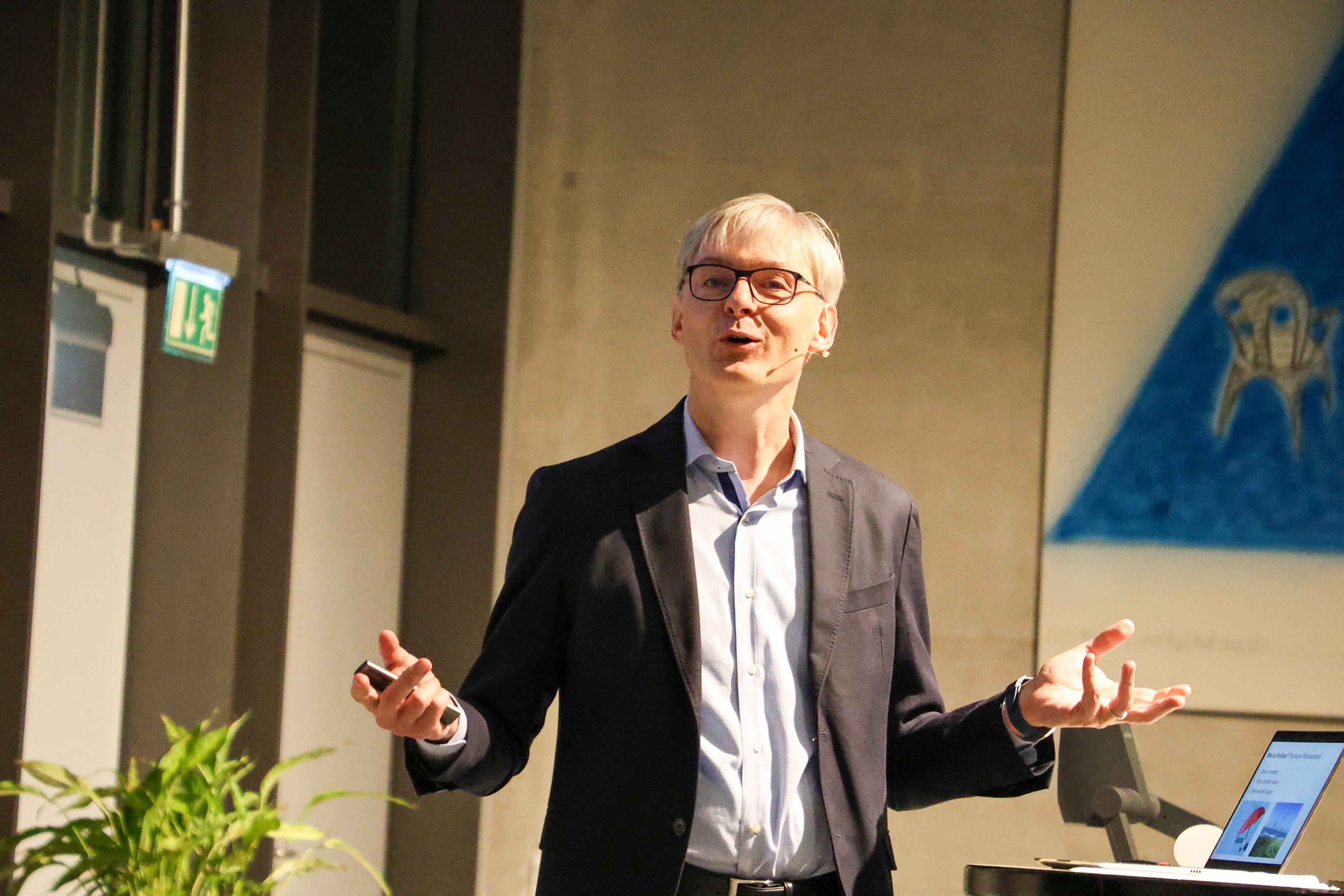
Gregor Hasler speaks regularly at public events on stress, resilience, nutrition, and mental health, among others for the International Committee of the Red Cross, at the Gottlieb Duttweiler Institute, the Swiss eHealth Forum, and the Canton of Zurich Prevention Day. He also shares his knowledge with organizations and companies concerned with the mental health of their people.
In the media he is a frequent interview partner, including on Swiss national television, and he contributes to German-language newspapers such as NZZ, FAZ, Süddeutsche Zeitung, and Tages-Anzeiger. Inquiries for talks, interviews, or professional exchange reach him by email.